
Nutrition: Natural Diet for Managing Asthma
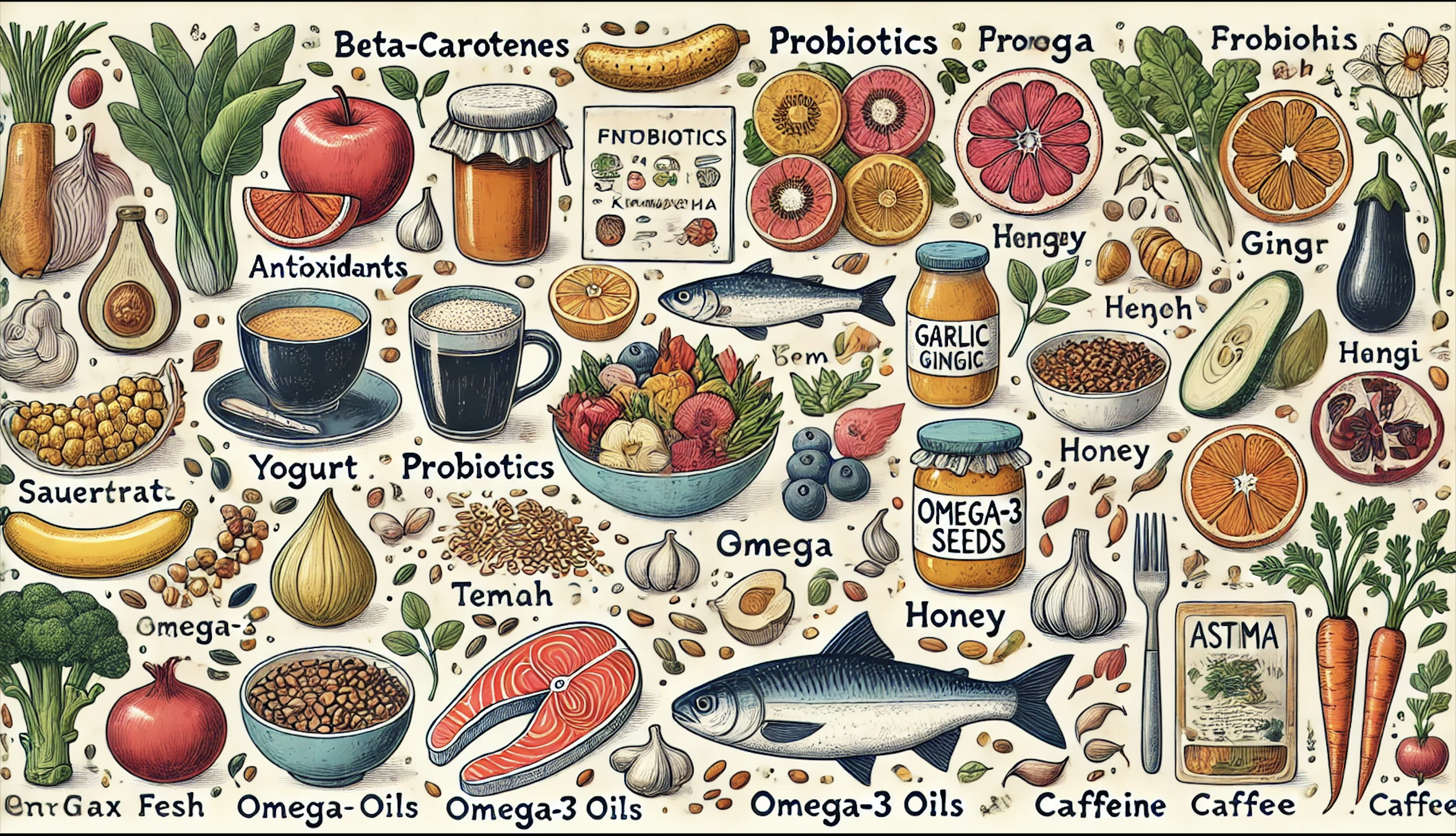
Maintaining a nutritious and well-balanced diet may play a supportive role in helping to alleviate asthma symptoms. Here’s how different nutrients and foods can contribute.
• Antioxidants
A diet rich in fruits and vegetables supplies essential antioxidants such as beta-carotene, vitamin C, and vitamin E. These nutrients may help reduce inflammation in the airways and support overall respiratory health. However, if certain foods are known to trigger your asthma symptoms, it is important to avoid them and seek guidance from your doctor for proper dietary adjustments.
• Probiotics
Research suggests there is a link between asthma and the gut microbiome. Including probiotics in your diet may help reduce inflammation and support immune function. Probiotics are commonly found in fermented foods such as yogurt, kefir, sauerkraut, tempeh, kimchi, miso, and kombucha, making them easy to incorporate into daily meals.
• Garlic
Garlic is widely recognized for its anti-inflammatory properties. Regular consumption may help reduce inflammation in the body, which can contribute to the management of asthma symptoms over time.
• Ginger
Ginger contains an active compound called 6-gingerol, which may help reduce the severity of asthma symptoms. It may also assist in relaxing the trachea and airway muscles, potentially making breathing easier during episodes of discomfort.
• Honey
Honey is frequently used in natural remedies for colds due to its soothing effect on the throat and its ability to reduce coughing. Adding honey to a warm beverage such as herbal tea may help ease irritation and support symptom relief.
• Omega-3 Oils
Omega-3 fatty acids, found in foods like fish and flax seeds, may help decrease airway inflammation. This can contribute to improved lung function, particularly in individuals with more severe asthma.
• Caffeine
Caffeine may help open the airways by relaxing respiratory muscles, which can reduce fatigue and make breathing feel easier for short periods.